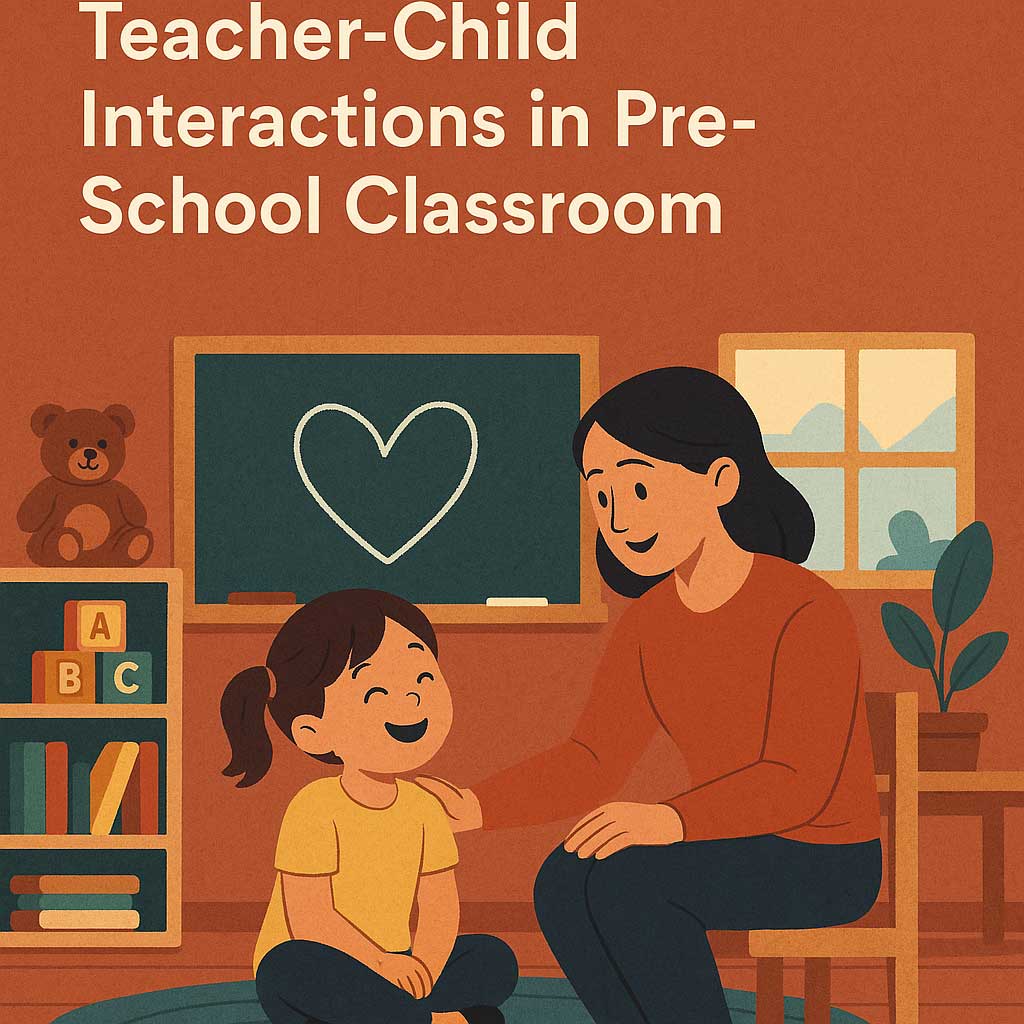

Introduction: Setting the Stage for a Loving Classroom
The aspiration for a preschool classroom to be a vibrant and engaging space, filled with joy and laughter, hinges significantly on the quality of the connections between teachers and children. A classroom where young learners feel a genuine sense of love and belonging is the ideal classroom, where positive teacher-child interactions are the norm. The pivotal role of the teacher in shaping this environment cannot be overstated. Recognizing the importance of this dynamic, the user’s proactive stance in seeking strategies for teacher development is commendable, demonstrating a commitment to nurturing not only the academic but also the emotional well-being of the students.
Addressing the challenge of ensuring that every teacher effectively conveys love and care is essential. In some cases, teachers tend to have natural disappointments. This might not readily project affection, but it can inadvertently lead to apprehension among young children. Cultivating the skills necessary to express care in ways that resonate with preschoolers is a developmental process that benefits both the teacher and the students. By focusing on specific techniques and fostering a greater awareness of children’s emotional needs, teachers can learn to bridge any perceived distance and create a more welcoming atmosphere. The core of this development lies in understanding and implementing the concept of “love language” within the context of early childhood education, which involves recognizing and responding to the different ways young children experience and interpret expressions of care from their teachers.
The Foundational Importance of Positive Teacher-Child Relationships in ECD.
The establishment of a strong, positive relationship between teachers and young children is not merely a desirable aspect of early childhood education; it is a fundamental element supported by extensive research. These relationships yield significant benefits across various domains of a child’s development.
Research-Backed Benefits of Strong Teacher-Child Relationships
- Socio-Emotional Development: Positive teacher-child relationships cultivate a crucial sense of security and belonging for young learners. When children feel secure in their connections with their teachers in the classroom, they are more likely to develop healthy social skills and engage in positive interactions with their friends. Research indicates that the absence of such positive social exchanges during childhood can have long-lasting negative consequences, potentially leading to feelings of withdrawal, loneliness, and anxiety later in life. Secure attachments formed with teachers can act as a vital buffer against stress, thereby promoting overall emotional well-being. This sense of security empowers children to explore their environment with confidence and fosters resilience in the face of challenges.
- Cognitive and Academic Growth: Children who experience positive relationships with their teachers tend to be more actively involved and engaged in classroom learning activities. These strong connections can contribute to higher levels of academic achievement and enhance a child’s readiness for school. Furthermore, responsive interactions between teachers and children play a key role in scaffolding the child’s learning process, providing the necessary support to build upon existing knowledge and skills. The positive emotional environment fostered by these relationships creates a conducive atmosphere for exploration, discovery, and the acquisition of new knowledge.
- Behavioral Outcomes: Secure teacher-child relationships have been consistently linked to a reduction in challenging behaviors among young children. When children feel connected to and supported by their teachers, they are less likely to act out or exhibit disruptive behaviors. The use of positive guidance techniques by teachers, which are often rooted in a foundation of trust and love, helps children develop essential skills in self-control and self-regulation. Moreover, predictable classroom environments, which are often a byproduct of positive teacher-student interactions and clear expectations, play a significant role in encouraging appropriate behavior in preschool settings.
The Role of Teacher Behavior and Communication Style:
The way a teacher behaves and communicates within the classroom has a profound impact on the children they teach. Teacher warmth, affection, and respect are critical elements that contribute significantly to children’s overall well-being in early education settings. A teacher’s interaction style directly influences a child’s sense of emotional security and shapes their relationships with adults. Positive nonverbal behaviors, such as smiling, maintaining eye contact, and using appropriate touch, are powerful tools that increase children’s feelings of acceptance and value within the classroom. Even seemingly small gestures of love and positive communication can have a substantial and lasting impact on young children’s emotional states and their engagement with learning.
Negative Impacts of Cold or Distant Teacher Behavior:
Conversely, teacher behavior characterized by coldness or distance can have detrimental effects on young children. Children may become fearful, withdrawn, and less inclined to participate actively in classroom activities. Negative teacher-child relationships can impede a child’s social and academic development, creating barriers to learning and healthy interactions. Furthermore, teacher negativity has been shown to correlate with increased anxiety levels in children, potentially undermining their sense of security and well-being in the school environment. A lack of warmth in the teacher-child dynamic can create a significant obstacle to fostering a joyful and engaging classroom.
Understanding “Love Languages” in the Context of Early Childhood
The concept of love languages, initially developed by Gary Chapman to describe how individuals in adult relationships express and experience love, can be thoughtfully adapted and applied to the dynamics within an early childhood classroom. Understanding these different ways of expressing and receiving affection can provide valuable insights for teachers seeking to build stronger connections with their young students.
Adapting Gary Chapman’s Concept for Young Children:
Gary Chapman identified five primary love languages: Words of Affirmation, Quality Time, Physical Touch, Acts of Service, and Receiving Gifts. While these concepts were originally framed within the context of romantic partnerships, the underlying principles of expressing care and affection in ways that resonate with an individual are highly relevant to young children. In the preschool setting, these “languages” manifest in unique ways, reflecting the developmental stage and needs of the children. For instance, Receiving Gifts might translate into a child feeling particularly loved when a teacher offers a special sticker or acknowledges their efforts with a small, symbolic token.
Recognizing How Students Express and Receive Love:
Preschool-aged children often communicate their preferences for how they wish to be shown love through their behaviors. A child who frequently offers a teacher a drawing or wants to sit very close might be expressing a preference for Receiving Gifts or Physical Touch. Similarly, a child who consistently seeks help with tasks might be indicating that Acts of Service is a meaningful way for them to experience care. By carefully observing these behaviors, teachers can gain valuable clues about a child’s preferred love language. For example, a child who lights up when praised for their efforts might have Words of Affirmation as a primary way they feel loved.
The Importance of Identifying Individual Love Languages in the Classroom:
Teachers must recognize that not all children feel loved in the same manner. Just as adults have different preferences for how they give and receive affection, young children also vary in what makes them feel most cared for. Therefore, adopting a tailored approach to expressing affection, one that considers the individual love language of each child, can be significantly more effective in building strong and meaningful connections. A teacher who primarily uses physical touch to show affection might find that this approach does not resonate with all students, and some might feel more loved through verbal praise or dedicated one-on-one time.
Cautionary Note
While understanding love languages can be a valuable tool, it is important to approach this concept with sensitivity and awareness. Teachers should avoid forcing expressions of affection and should not take it personally if a child does not respond in the way they expect. Cultural and individual differences in comfort levels with physical touch must be respected. The overarching goal should be to cultivate a classroom environment that is generally warm and caring, while also being attuned to the specific ways individual children best experience and interpret love from their teachers. The classroom environment should be warm and caring, and teachers should be attuned to how individual students experience and interpret their love and care.
Practical Strategies for Love Language in Daily Classroom Interactions
Integrating the principles of love languages into the daily routines and interactions of a preschool classroom can be achieved through a variety of practical strategies tailored to each of the five languages.
A. Words of Affirmation:
-
- Specific Praise and Encouragement: Offering praise that is specific to a child’s efforts or achievements is far more impactful than general statements. For instance, instead of simply saying “Good job,” a teacher could say, “I love how you shared your crayons with Rahul,” or “You worked so diligently to finish that puzzle.” During challenging moments, encouraging words such as “Keep trying, you’re getting closer,” or “I know this is tricky, but you’re doing great” can provide significant support and build confidence. Recognizing and verbally acknowledging even small successes can make a child feel valued. Being precise in praise helps children understand exactly what they did well, making it more likely they will repeat the positive behavior.
-
- Verbal Expressions of Love and Affection: While the appropriateness of saying “I love you” in a classroom setting can vary based on context and individual comfort levels, using loving comments and words of endearment (when culturally sensitive and appropriate) can be powerful. Phrases like “It makes me so happy to see your smiling face this morning,” or “We missed you yesterday, it’s wonderful to have you back,” can directly convey care. These explicit verbal affirmations can strengthen the emotional bonds between teacher and student.
-
- Positive Guidance and Instruction: The language used when guiding student behavior can significantly influence how they perceive the teacher’s care. Opting for positive language, such as “Let’s walk inside now” instead of “Don’t run,” frames instructions in a more supportive way. Speaking politely and respectfully, using a calm and pleasant voice, communicates patience and consideration. The tone and framing of language during guidance can impact a child’s sense of being cared for.
B. Quality Time:
-
- Dedicated One-on-One Interaction: Creating moments for individual conversations with children, even during a busy classroom schedule, demonstrates that each child is seen and valued. Engaging in frequent, focused interactions, getting down to the child’s eye level, and giving undivided attention during times like snack time or transitions can make a significant difference. This focused attention communicates to the child that they are important and their thoughts and feelings matter.
-
- Shared Activities and Play: Following a child’s lead during playtime, entering their imaginative worlds, and participating in activities they have chosen are powerful ways to build quality time. This active engagement in a child’s interests shows genuine care and fosters a deeper connection. Play is a primary avenue for preschool students to learn and interact, and when teachers participate, it communicates that they value what the child enjoys.
-
- Attentive Listening: Truly listening to what children say, both verbally and nonverbally, and encouraging them to listen to their peers fosters a sense of respect and understanding. Active listening involves paying close attention, making eye contact, and responding thoughtfully to their comments and questions. Showing that you are genuinely hearing and understanding a child’s perspective is fundamental to building trust.
C. Physical Touch:
-
- Appropriate and Comforting Physical Affection: Providing warm, responsive physical contact, such as gentle pats on the back, high-fives, or brief hugs, can be a very effective way to convey warmth and security. A gentle touch on the arm or shoulder can also communicate care and reassurance. Physical touch, when welcomed and appropriate, can be a powerful nonverbal expression of affection.
-
- Being Mindful of Boundaries and Preferences: Teachers must always respect a child’s personal space and individual comfort level with physical touch. They should never force physical affection and should be attuned to children’s reactions to touch, recognizing that some children may have sensory sensitivities or cultural backgrounds that influence their preferences. Respecting these individual boundaries is important for building trust and ensuring a safe and comfortable environment for all Students.
D. Acts of Service:
-
- Helping with Tasks: Offering help with tasks that might be challenging for a student, such as helping to zip a tracksuit, open a tight lid of a tiffin box, or providing one-on-one support during craft time, demonstrates care and support for their abilities. Tying a child’s shoes or helping them clean up their play area are other examples of how teachers can show they care through their actions. When a teacher helps with a task, it communicates that the child is not alone in their challenges and that the teacher is invested in their success.
-
- Thoughtful Gestures: Engaging in small, thoughtful gestures can make a child feel particularly seen and cared for. While preparing their meals or snacks might not always be feasible in a classroom setting, teachers can offer other forms of assistance, such as helping a child find a lost toy or noticing and addressing a need before the child even asks. These small acts of kindness go beyond basic care and show a personal investment in the child’s happiness and well-being.
E. Receiving Symbolic Gifts:
-
- Offering Symbolic Tokens of Appreciation: Giving small, unexpected tokens of appreciation, such as a sticker, a drawing the teacher made, or a special rock found on the playground, can be very meaningful to a young child. Rewarding effort and positive behavior with these small, symbolic items reinforces the teacher’s appreciation. These gifts are not necessarily about material value but rather serve as tangible symbols of the teacher’s care and recognition.
-
- The Act of Giving to Others: Encouraging children to create handmade gifts or cards for their classmates and facilitating opportunities for them to share and give to others fosters a sense of community and reinforces the importance of expressing care and kindness towards their friends. Teaching children to give is an essential aspect of developing empathy and building a caring classroom environment.
Developing a Nurturing and Supportive Classroom Environment
Creating a classroom where students feel loved and secure requires more than just individual interactions; it involves cultivating an overall environment that is nurturing and supportive.
A. Creating a Safe and Predictable Space:
Establishing consistent daily routines and schedules provides children with a sense of predictability, which is crucial for their emotional well-being. Clear boundaries and well-defined expectations help children understand what is expected of them and contribute to a feeling of safety and security. Organizing the classroom into distinct learning areas allows children to easily navigate the space and promotes independence. Predictability and clear expectations create a sense of security, which is fundamental for a child’s emotional well-being.
B. Nurturing a Sense of Belonging and Community:
Welcoming each child warmly at the beginning of the day, using their names correctly and with a smile, sets a positive tone and makes children feel comfortable and valued. Actively celebrating the unique qualities and cultural backgrounds of each child helps to create an inclusive environment where everyone feels they belong. Encouraging positive interactions and the development of peer relationships strengthens the sense of community within the classroom. Giving children age-appropriate responsibilities within the classroom also contributes to their feeling of being a valued and important member of the classroom. When children feel like they belong and are valued members of the group, they are more likely to feel loved and secure.
C. Promoting Emotional Literacy:
Helping children to identify, understand, and express their emotions in healthy and constructive ways is a key aspect of creating a supportive classroom. Acknowledging and accepting the full range of a child’s emotions, even the difficult ones, creates a safe space for them to learn about their feelings. Building their social-emotional vocabulary by introducing words to describe different feelings empowers them to communicate more effectively. Understanding and expressing emotions healthily contributes significantly to overall emotional well-being and positive relationships.
D. Modeling Warmth and Caring:
Teachers serve as powerful role models for young children. Consistently demonstrating warmth and affection in their interactions with students teaches children about caring and empathy. Showing genuine interest in the children’s lives, their interests, and their experiences outside of the classroom helps to build trust and connection. Being fully present and attentive during interactions with children communicates that they are valued and important. Children learn by observing the behavior of significant adults in their lives.
Teachers with a Naturally Reserved Conduct
It is equally important to acknowledge that expressing affection and love might come more naturally to some teachers than others. My goal is not to fundamentally alter a teacher’s personality but rather to equip them with specific skills and strategies that can be intentionally incorporated into their daily practice.
A. Acknowledging Different Personality Styles:
It is crucial to recognize and respect that even teachers have varying personality styles and comfort levels when it comes to expressing emotions and affection. Some teachers may naturally be more outgoing and physically demonstrative, while others might have a more reserved demeanor. This difference is not indicative of a lack of care or commitment but simply reflects individual personality traits. This article aims to provide all teachers with practical tools to effectively convey warmth and build positive relationships, regardless of their natural inclination.
B. Focusing on Small, Intentional Actions:
Teachers who identify as more reserved can begin by focusing on incorporating one or two specific strategies at a time. Starting with nonverbal cues such as smiling genuinely, making consistent eye contact with children, and using a warm and gentle tone of voice can be a less daunting initial step. Practicing simple verbal affirmations, such as greeting each child by name with a smile and a positive comment as they arrive, can also be an effective starting point. These small, intentional efforts, when implemented consistently, can lead to significant positive changes over time.
C. Utilizing Verbal Substitutes for Physical Affection: What if touch is uncomfortable?
For teachers who are less comfortable with physical touch, emphasizing the power of words of affirmation and quality time can be particularly effective. Focusing on providing descriptive praise that highlights specific actions and efforts, and actively listening to children’s thoughts and feelings, are powerful ways to convey love and build strong connections. Engaging in meaningful conversations and dedicating focused one-on-one time can communicate care and build connection without relying heavily on physical contact. Teachers can effectively convey love and care through verbal communication, even if they are less inclined towards physical expressions of affection.
D. Reflective Practice and Self-Monitoring:
Motivating teachers to regularly reflect on their interactions with children and their conscious efforts to incorporate the love language is essential for continuous growth. The use of video recordings can provide valuable insights into their nonverbal communication patterns and how their interactions are perceived by the children. Self-awareness gained through reflective practice is the first step towards making positive and sustainable changes in their approach.
The Role of Politeness and Respect in Fostering Positive Relationships
Politeness and respect are foundational elements in building positive relationships with young children, contributing significantly to a warm and caring classroom climate.
A. Modeling Polite Language and Behavior:
Teachers should consistently model polite language and behavior in all their interactions. Regularly using phrases such as “please,” “thank you,” and “excuse me” demonstrates consideration for others and sets a clear example for the students to follow. Modeling respectful communication, both with students and with colleagues, reinforces the importance of treating everyone with kindness and consideration. Children learn social graces and respectful interactions by observing the adults in their surroundings.
B. Teaching Children the Importance of Politeness:
Explicitly teaching children the meaning and positive impact of polite words and actions is an important aspect of their social-emotional development. Incorporating songs, fingerplays, and role-playing activities focused on manners can make learning these skills engaging and fun. Reinforcing polite behavior with specific positive feedback, such as; Thank you for saying ‘please’ when you asked for a turn, encourages children to continue using good manners. Direct instruction and opportunities for practice are essential for children to develop and internalize good manners.
C. Respecting Children’s Perspectives and Feelings:
Showing genuine respect for children’s thoughts, ideas, and feelings is crucial for building trust and strengthening relationships. This involves actively listening when children speak, acknowledging and validating their emotions, and treating them as capable individuals. When children feel that their perspectives are valued and their feelings are taken seriously, it fosters a positive sense of self and encourages open communication.
Reflective Practices for Continuous Improvement
To ensure ongoing growth and development in fostering affectionate teacher-child interactions, the implementation of reflective practices is highly recommended.
A. Encouraging Self-Assessment:
Providing teachers with specific tools and guiding prompts to reflect on their daily interactions with children and their conscious application of “love language” strategies can be invaluable. Encouraging them to consider what approaches are proving effective and identifying areas where they would like to see improvement promotes a mindset of continuous learning and growth. Reflection is a vital component of professional development, empowering teachers to become more intentional and effective in their practice. Self-assessment allows teachers to pinpoint their strengths and areas for development in expressing warmth and affection, leading to more focused efforts for improvement [Chain of thought from outlined insight].
B. Peer Observation and Feedback (Optional):
Where appropriate and if teachers are comfortable, creating opportunities for peer observation can offer a supportive avenue for professional development. Observing how colleagues interact with children and provide feedback on their classroom interactions can provide new perspectives and practical ideas for incorporating “love language” strategies into their teaching [Chain of thought from outlined insight].
C. Seeking Feedback from Children (Age-Appropriate):
Gathering feedback directly from the children, using simple and age-appropriate methods, can provide invaluable insights into how they are experiencing the classroom environment and their interactions with the teacher. This could involve using feeling charts where children can indicate how they are feeling, or asking open-ended questions during circle time about what makes them feel happy and safe at school. Children’s perspectives offer a unique and direct understanding of the impact of teacher behavior on their emotional well-being [Chain of thought from outlined insight].
Conclusion: Reinforcing the Value of Love Language in Creating a Thriving Classroom
In conclusion, cultivating warm and affectionate relationships between preschool teachers and young children is of paramount importance. These positive connections lay the groundwork for a classroom environment where children feel safe, valued, and eager to learn. By understanding and intentionally incorporating the principles of “love language” into their daily interactions, teachers can effectively meet the individual emotional needs of their students. This not only fosters a more joyful and engaging classroom but also yields significant long-term benefits for children’s socio-emotional and cognitive development. Embracing a continuous journey of growth and reflection in fostering these loving connections will undoubtedly contribute to creating thriving preschool classrooms where all children can flourish.
References
- Chapman, G., & Campbell, R. (2016). The 5 love languages of children: The secret to loving children effectively. Moody Publishers.
- Center on the Developing Child at Harvard University. (2021). Serve and return interaction shapes brain architecture. Harvard University. https://developingchild.harvard.edu/science/key-concepts/serve-and-return/
- Zero to Three. (2020). Positive discipline and child guidance. Zero to Three. https://www.zerotothree.org/resource/positive-discipline-and-child-guidance/
- National Association for the Education of Young Children (NAEYC). (n.d.). Creating caring communities. NAEYC. https://www.naeyc.org/resources/topics/creating-caring-communities
- Verywell Family. (2021, November 15). Using love languages with children. Verywell Family. https://www.verywellfamily.com/using-love-languages-with-children-4782227


0 Comments